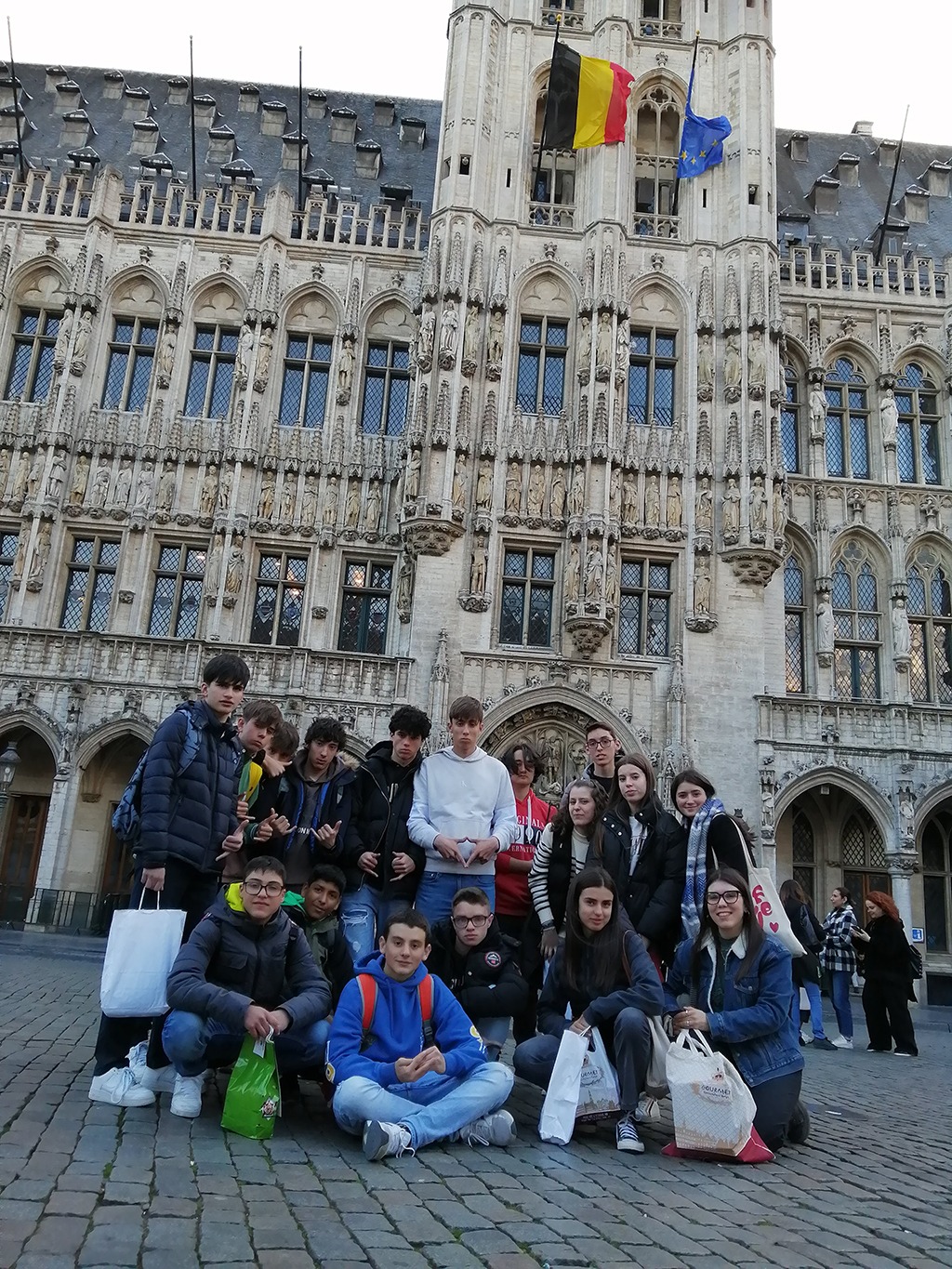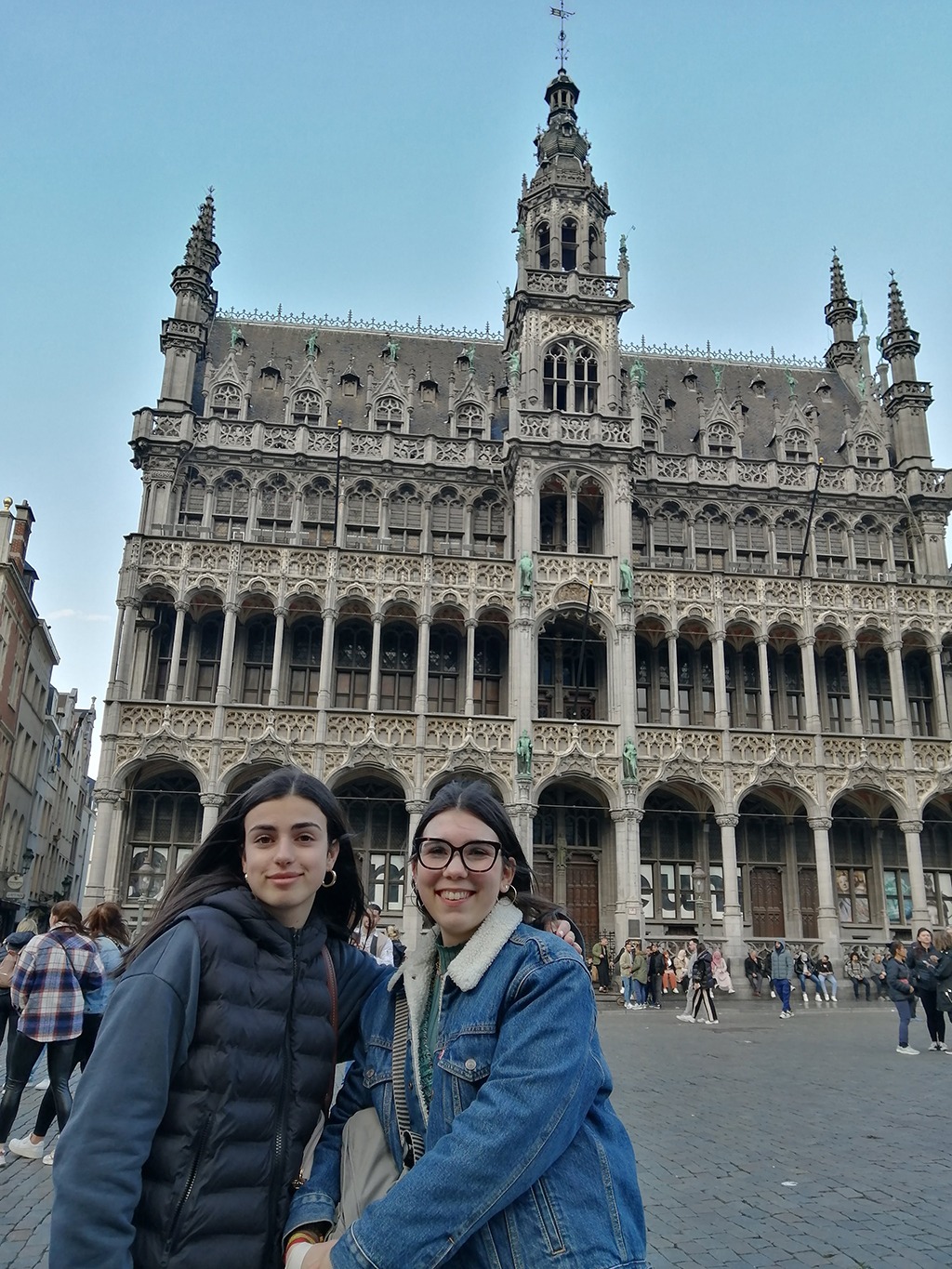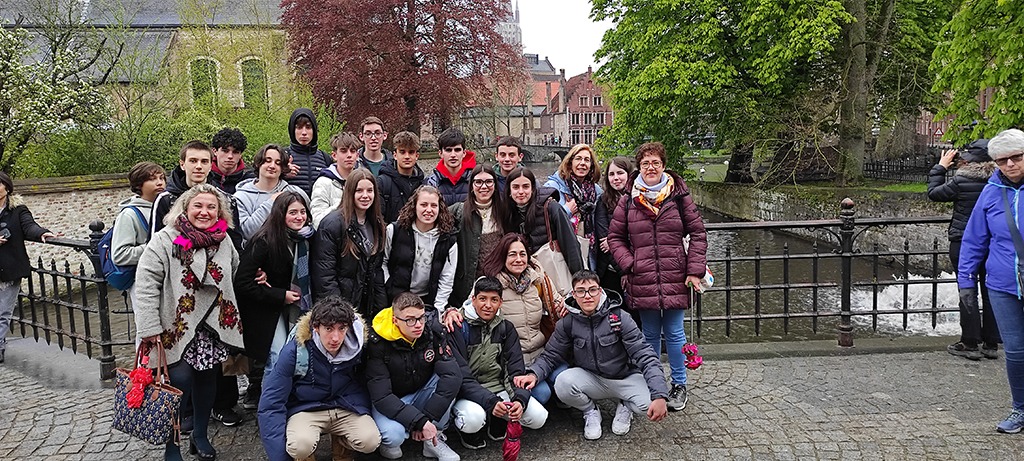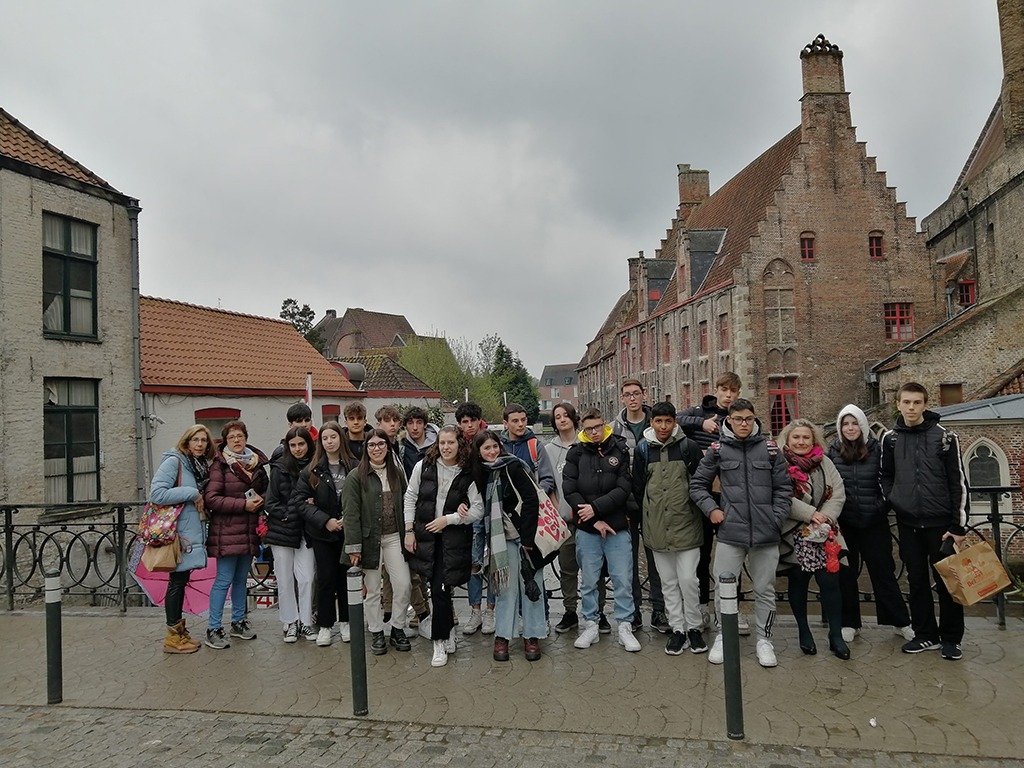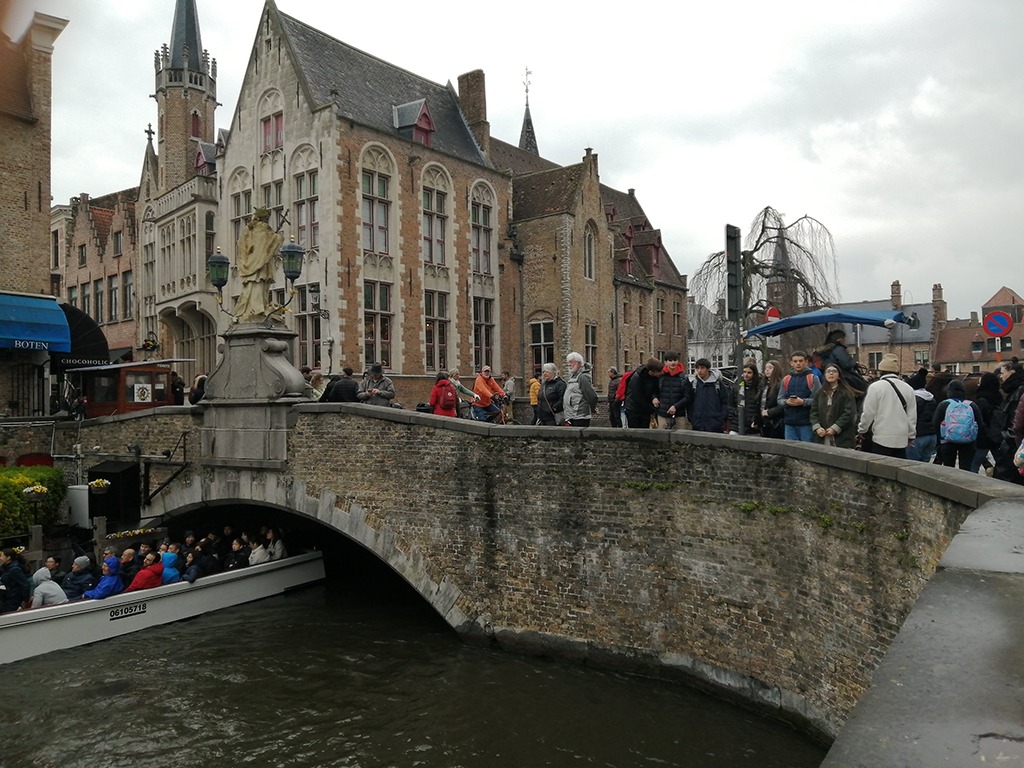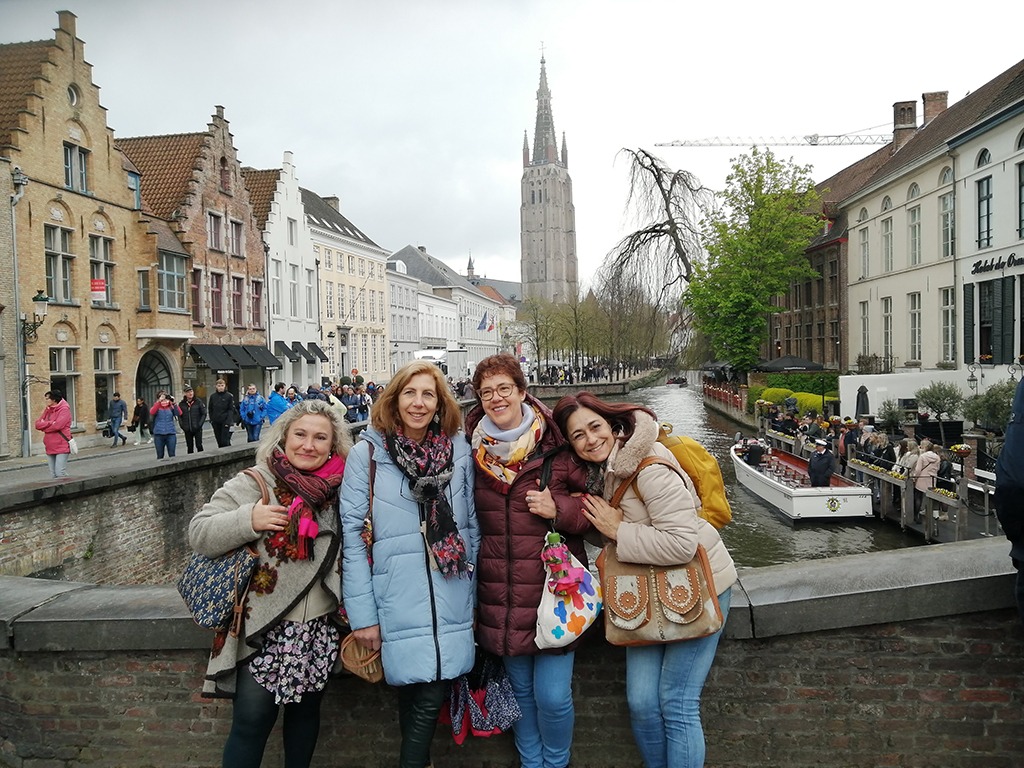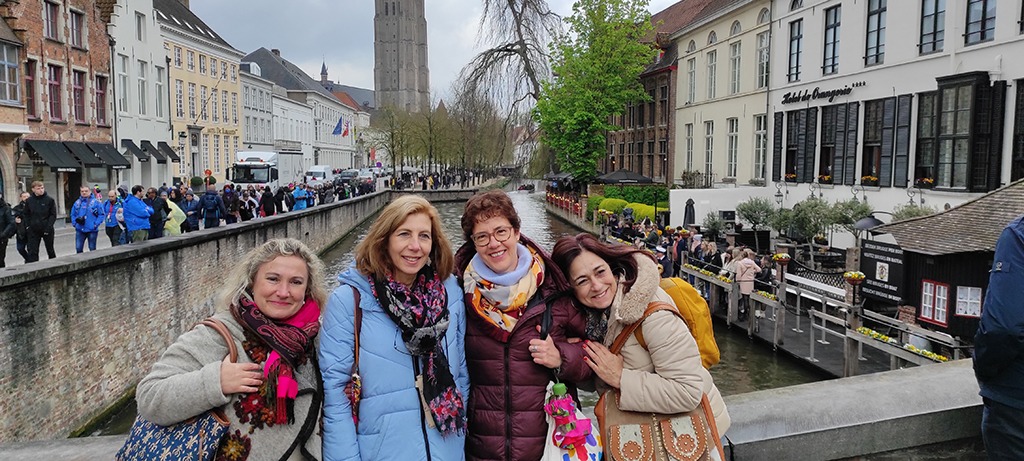
Bruges is the capital of the West Flanders region and, since 2000, a UNESCO World Heritage Site. It seemed very important for us to visit this place as it is one of the best-preserved medieval cities in the world. With its network of canals and cobblestone streets, we have traveled several centuries back in time.
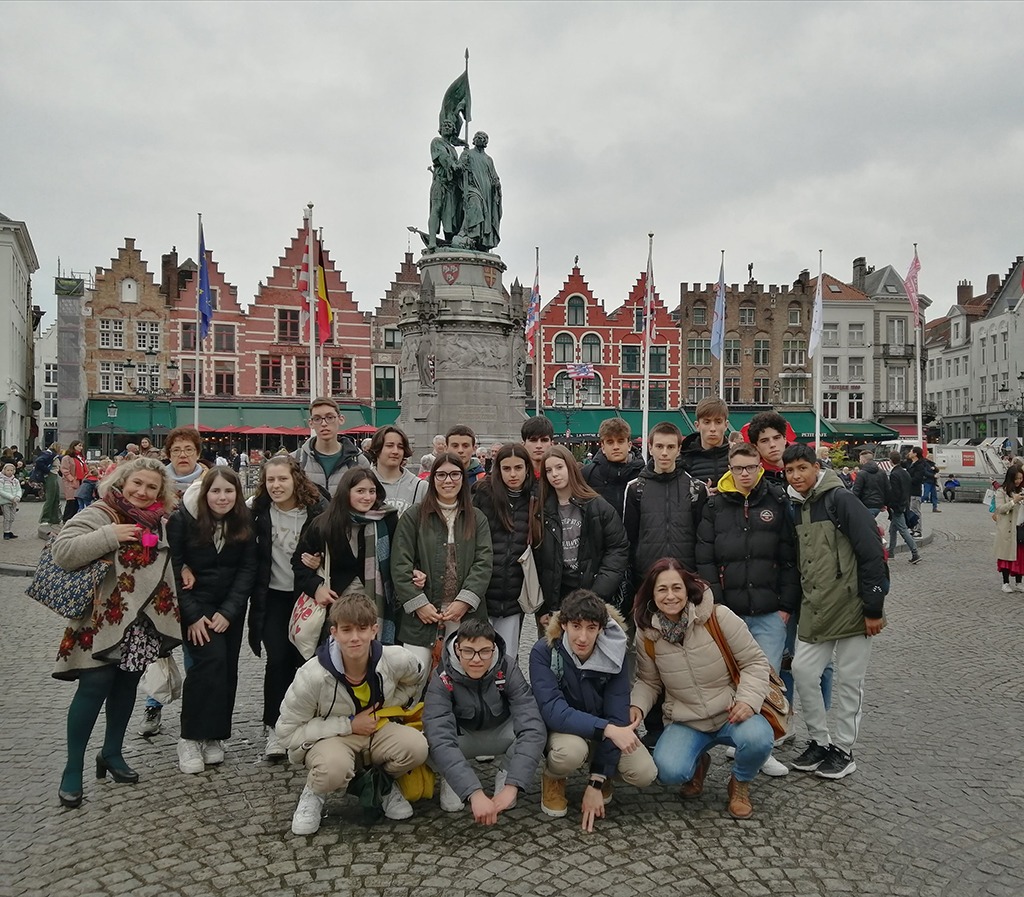
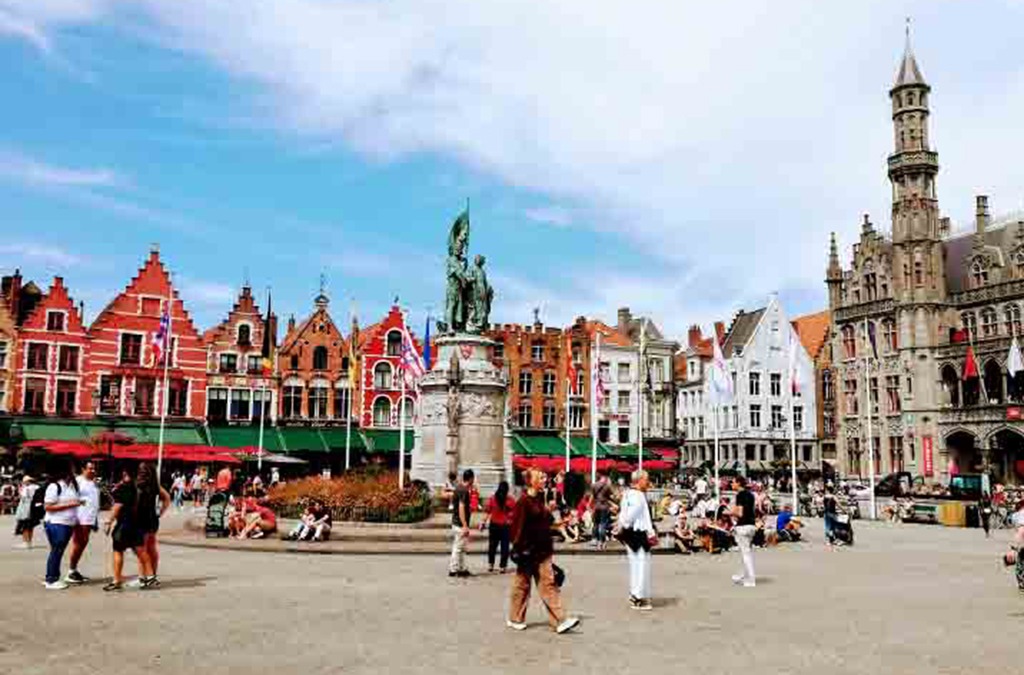
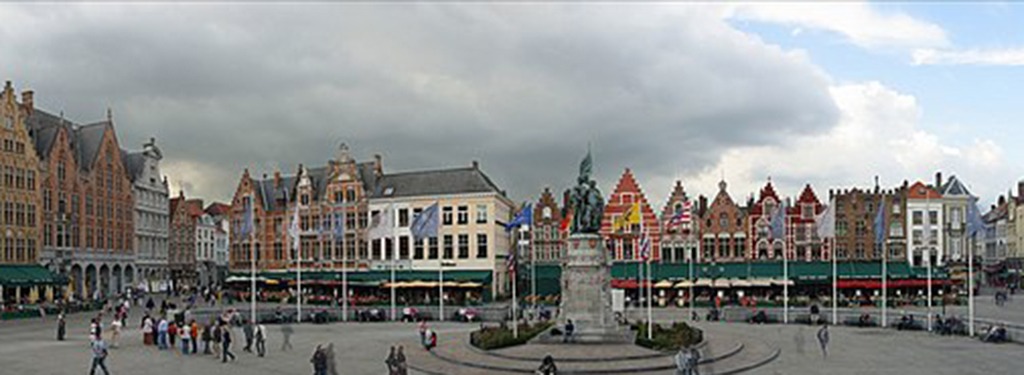
In the main square, the most important historic buildings are surrounded by canals. This historic center was declared a UNESCO World Heritage Site in 2000 because it maintains the intact medieval architectural structures. The most important buildings we visited include the neo-Gothic Provincial Council, the Belfry Tower, the guild houses from the 17th century, etc.
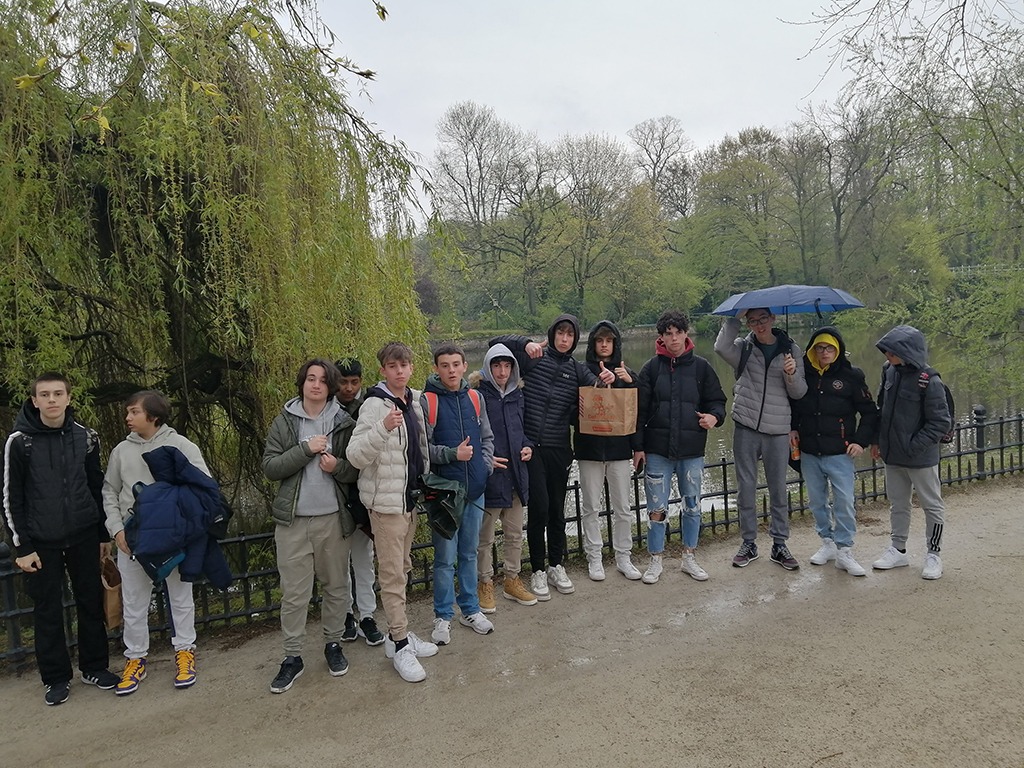
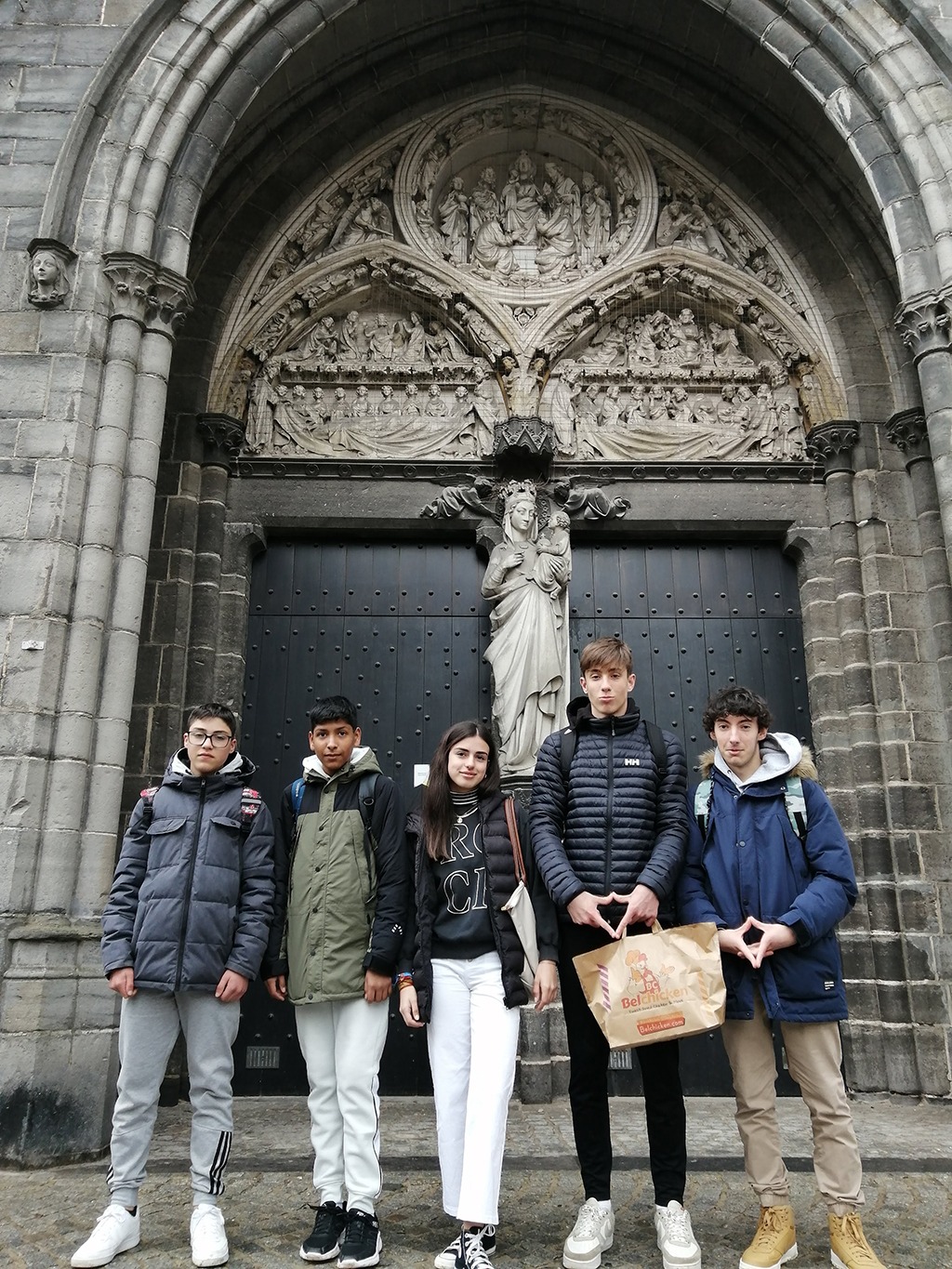
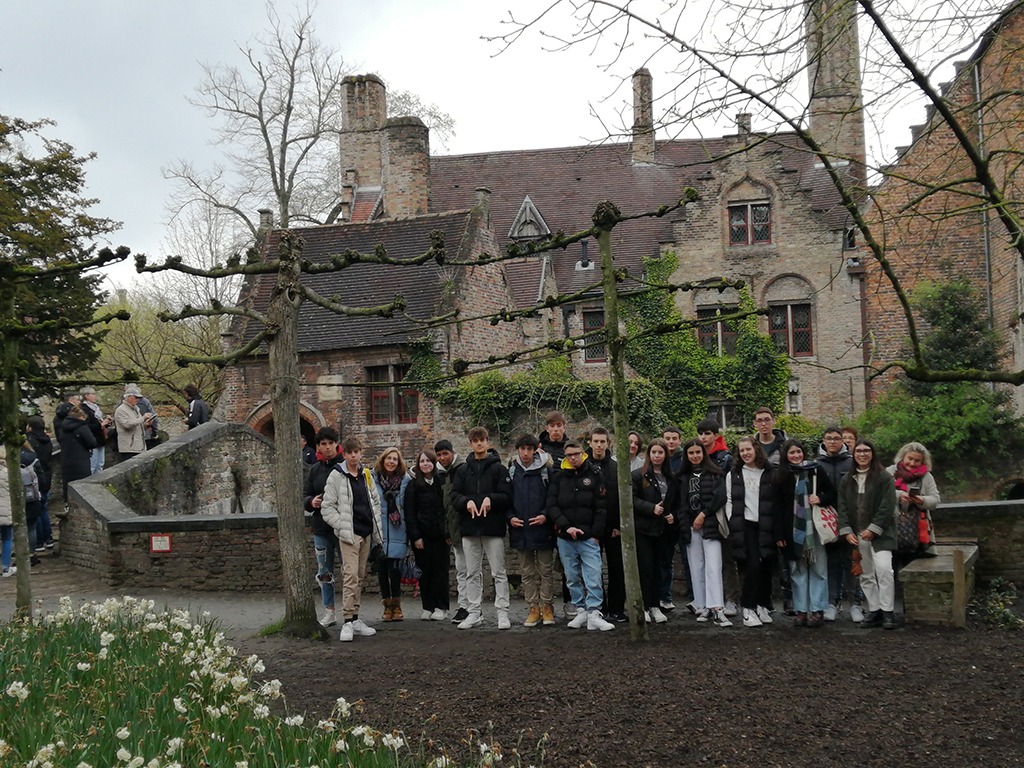
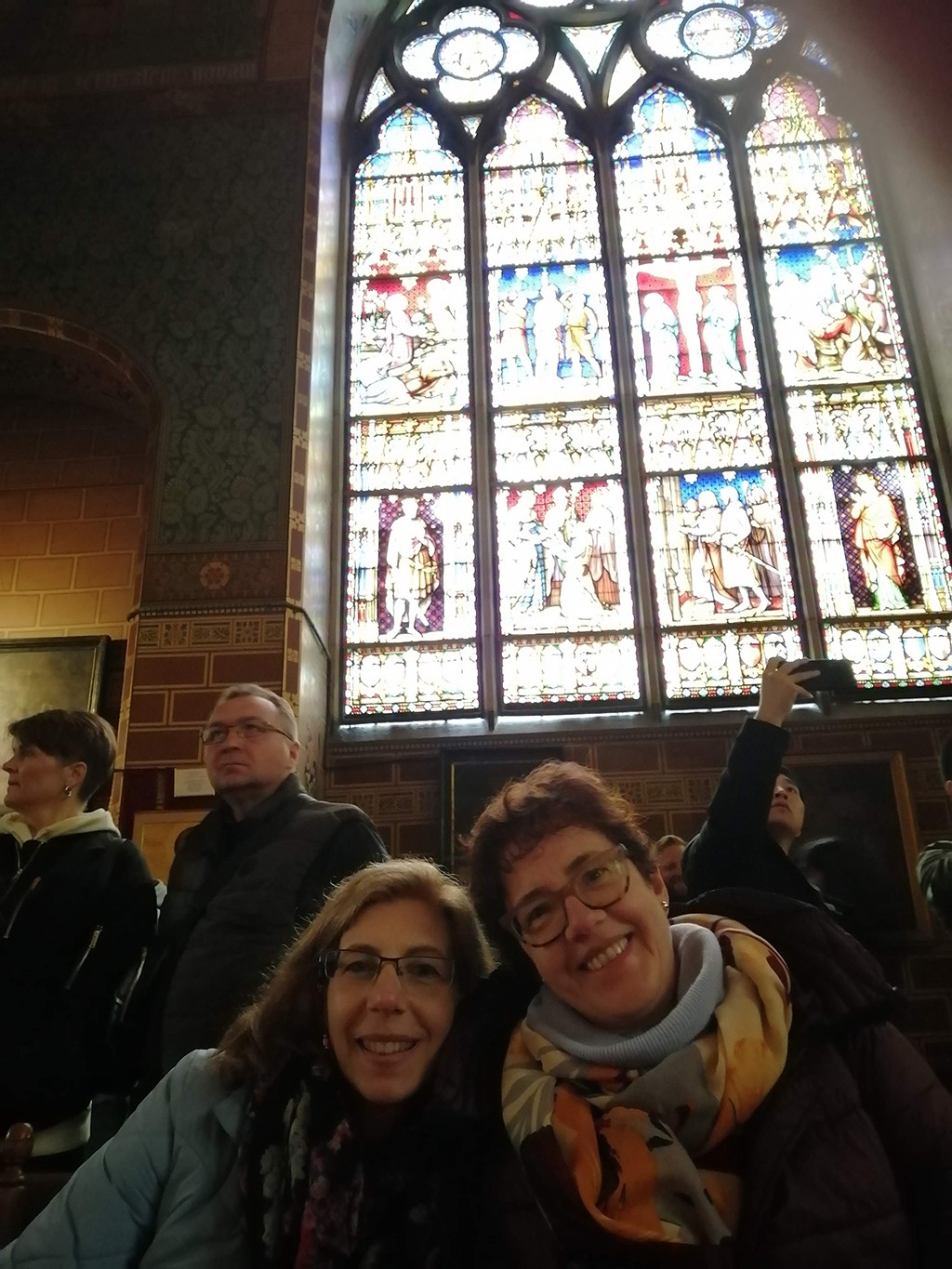
In Burg Square, we saw the town hall, whose facade dates back to the 14th century, and entered the Basilica of the Holy Blood. The Church of Our Lady is the most famous church in Bruges, and its 122-meter tower is the tallest in Belgium. We also enjoyed nature at the Lake of Love.
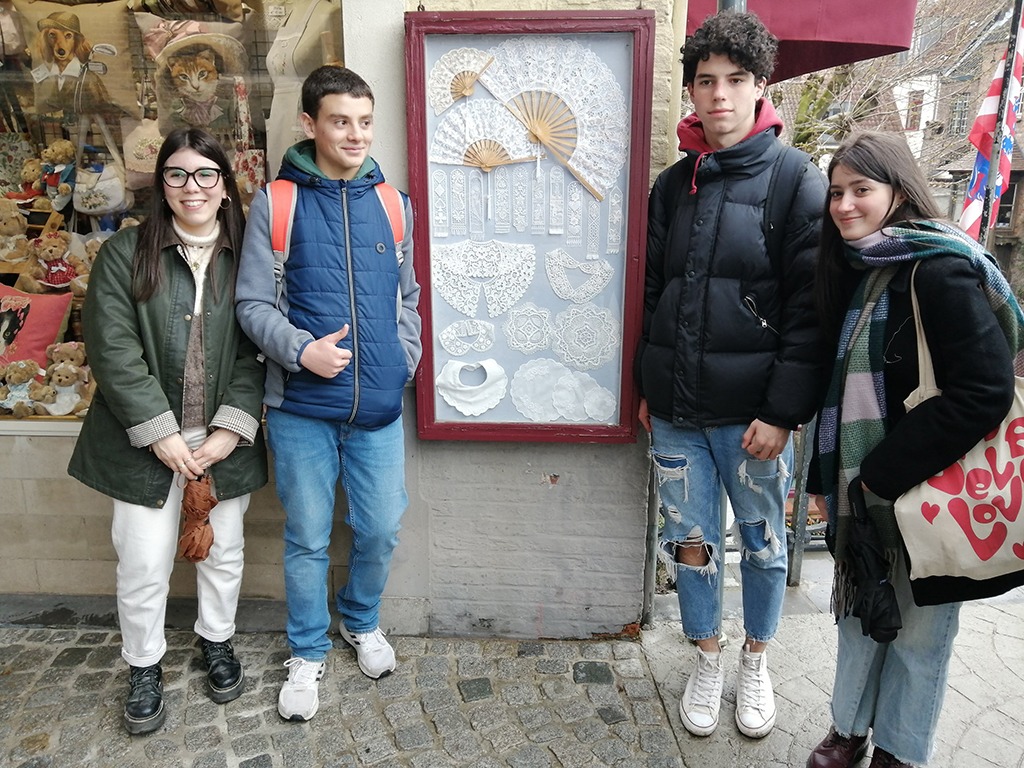
Bobbin lace has its origins in Flanders and arrives in Galicia through the Way of St. James. Some of the students from Galicia prepared projects on bobbin lace in Bruges and in their own land.
During the visit, students had to discover the proposed monuments and landmarks by the teachers. They formed teams of 4 people and dedicated themselves to exploring the narrow streets of the city in search of the goal. They practiced languages, and coexistence among them was encouraged.